
Introduction to Lufanest and Its Meaning
Lufanest is often described as a cultural and lifestyle concept that represents harmony between tradition, community values, and modern living. It is not limited to a specific place but rather reflects a shared way of life shaped by beliefs, customs, and human connection. The idea of Lufanest focuses on balance, where people try to live peacefully while respecting their cultural roots and adapting to new changes in society. It highlights how identity is formed through daily life and social interaction.
In a broader sense, Lufanest can also be understood as a symbolic representation of how communities grow together. It reflects values such as unity, simplicity, and mutual respect. People associated with this idea often prioritize relationships and cultural heritage over materialism. This makes Lufanest a meaningful concept for understanding how traditions influence modern lifestyle patterns.
Historical Origins of Lufanest Culture
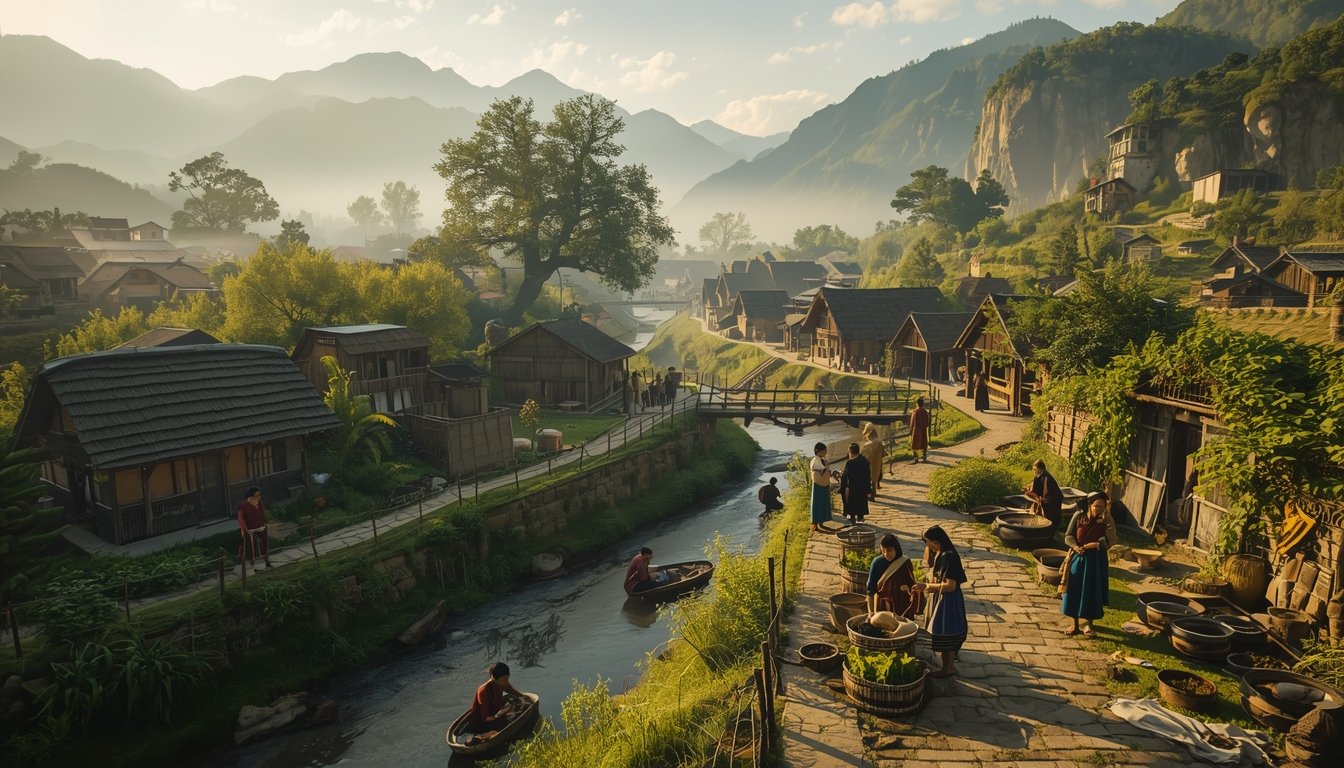
The origins of Lufanest culture are linked with early human communities that relied on cooperation for survival. In those times, people lived in close groups and developed traditions based on shared experiences, environment, and necessity. These early practices gradually shaped the foundation of cultural identity that is now associated with Lufanest.
As time passed, these communities evolved and adapted to new conditions such as trade, migration, and technological development. However, despite these changes, core values like unity, respect, and collective living remained strong. This continuity helped preserve the cultural essence of Lufanest across generations.
Cultural Identity and Core Values of Lufanest
Cultural identity in Lufanest is deeply rooted in shared traditions, language, and social behavior. People express their identity through everyday actions, communication styles, and community participation. This creates a strong sense of belonging and emotional connection among individuals.
Core values such as respect, honesty, and cooperation are central to Lufanest culture. These values are not only taught but practiced in real life, influencing relationships and decision-making. They help maintain social order and strengthen trust within communities.
Another important aspect is cultural adaptability. While traditions are respected, new ideas are also accepted when they align with community values. This balance help culture remain alive and relevant in changing times.
Traditional Beliefs and Social Principles
Traditional beliefs in Lufanest often emphasize harmony between humans, society, and nature. People believe that life should be lived with balance and responsibility. These beliefs guide behavior and encourage individuals to act with kindness and respect.
Social principles in Lufanest focus on unity and mutual support. Helping others is considered an important duty, and community well-being is often prioritized over personal benefit. This creates strong emotional and social bonds.
These beliefs and principles are passed down through generations. They help preserve cultural stability and ensure that social relationships remain strong, peaceful, and cooperative.
Everyday Lifestyle of People in Lufanest
Simple and Balanced Living
The everyday lifestyle in Lufanest is centered around simplicity and balance. People focus on fulfilling their basic needs while maintaining strong family and community relationships. Life is not driven by competition but by cooperation and mutual understanding. This creates a calm and stable environment where individuals can live peacefully and meaningfully.
Family and Community Focus
Family plays a central role in daily life. People spend time together, share responsibilities, and support one another in both good and difficult times. Community interaction is also important, as individuals actively participate in social activities. This strengthens emotional connections and builds a sense of belonging among people.
Mindful Daily Practices
Life in Lufanest encourages mindfulness and appreciation of small moments. People take time to enjoy meals, conversations, and nature. Instead of rushing through life, they focus on living in the present. This approach helps reduce stress and promotes emotional well-being.
Community Structure and Social Harmony
Community structure in Lufanest is based on cooperation and shared responsibility. People live in closely connected groups where everyone knows and supports each other. Decisions are often made collectively to ensure fairness and unity.
This system creates strong social harmony. Individuals rely on one another not only for emotional support but also for practical needs. This interdependence strengthens trust and reduces conflict within society.
Festivals and Cultural Celebrations in Lufanest
Festivals in Lufanest are vibrant expressions of culture that bring communities together. These celebrations include music, dance, traditional food, and storytelling, creating a joyful atmosphere where people connect and share happiness.
Each festival carries historical or cultural significance. Some are linked to seasonal changes, while others honor traditions or ancestors. These events help preserve cultural identity and pass it on to future generations.
Festivals also strengthen unity among people. Families and communities gather together, creating lasting memories and reinforcing social bonds. These celebrations play a key role in maintaining cultural continuity.
Traditional Food and Culinary Heritage
Food in Lufanest reflects tradition, simplicity, and natural living. Meals are often prepared using locally sourced ingredients, making them both healthy and meaningful. Recipes are passed down through generations, preserving culinary identity.
Eating is also a social experience. Families and communities often share meals together, strengthening relationships and emotional bonds. Food becomes a symbol of unity and hospitality.
Culinary traditions also represent cultural history. Each dish reflects the lifestyle, environment, and values of earlier generations, keeping heritage alive through taste and practice.
Art, Music, and Creative Expression in Lufanest
Art and music are important parts of cultural expression in Lufanest. They reflect emotions, traditions, and stories of daily life. Music often uses traditional instruments and rhythms that connect deeply with cultural identity.
Art includes crafts, designs, and visual storytelling. These creative expressions are inspired by nature, history, and community life. They help preserve cultural memory in a visual and emotional form.
Together, art and music act as a bridge between generations. They allow traditions to be shared in creative ways, ensuring that cultural identity remains strong and meaningful over time.
Language and Communication Traditions
Language in Lufanest plays a vital role in preserving culture and identity. It is not only a tool for communication but also a carrier of history, values, and traditions. People use language in daily life to express emotions, share knowledge, and maintain social relationships. Through spoken words, stories, and expressions, cultural wisdom is passed from one generation to another, keeping traditions alive and meaningful within the community.
Communication in Lufanest is often respectful and thoughtful. People value listening as much as speaking, which helps build understanding and trust. Conversations are usually simple but meaningful, focusing on clarity and emotional connection. Oral storytelling is especially important, as it allows elders to share experiences and lessons. This tradition strengthens cultural unity and ensures that knowledge remains active across generations.
Connection Between Lufanest and Nature
The connection between Lufanest and nature is deeply rooted in its lifestyle and beliefs. People view nature as an essential part of life rather than something separate from human existence. This perspective influences how they live, work, and interact with their environment. Natural surroundings are respected and often considered a source of peace, balance, and inspiration in daily life.
This strong bond encourages sustainable living practices. People try to use natural resources carefully and avoid harming the environment. Seasonal changes and natural cycles often guide agricultural and cultural activities. Nature is also seen as a teacher, providing lessons about balance, patience, and harmony. This relationship helps maintain both environmental and cultural stability over time.
Education and Knowledge Transfer System
Traditional Learning Methods
Education in Lufanest is strongly connected to tradition. Knowledge is often shared through storytelling, observation, and practical experience. Elders play an important role in teaching younger generations about values, customs, and life skills. This method of learning ensures that cultural wisdom is preserved and passed down naturally within families and communities.
Practical and Life-Based Learning
Learning in Lufanest is not limited to formal classrooms. People gain knowledge through real-life experiences, daily work, and community participation. This practical approach helps individuals understand lessons in a deeper and more meaningful way. It also encourages responsibility, independence, and problem-solving skills that are useful in everyday life.
Balance of Tradition and Modern Education
Modern education systems have also influenced Lufanest, introducing new subjects and technologies. However, traditional learning remains important. The combination of both systems creates a balanced approach where cultural values are preserved while modern knowledge is embraced. This helps individuals adapt to changing times without losing their identity.
Architecture and Traditional Living Style
Architecture in Lufanest reflects simplicity, functionality, and harmony with nature. Homes are often built using natural materials such as wood, clay, or stone. These structures are designed to suit the environment and provide comfort while maintaining cultural aesthetics. The design focuses on practicality rather than luxury.
Living spaces are also deeply connected to family and community life. Homes are not just shelters but places where relationships are strengthened. People spend time together, share meals, and participate in daily activities within these spaces. This creates a strong emotional bond among family members.
Traditional architecture also reflects cultural values. It represents respect for nature, simplicity, and sustainability. Even with modern changes, many communities still preserve these architectural styles to maintain their cultural identity.
Modern Influences on Lufanest Culture
Modern influences have brought significant changes to Lufanest culture. Technology, globalization, and education have introduced new ideas and lifestyles. People now have access to digital communication, modern transportation, and global information, which has changed how they live and interact.
Despite these changes, traditional values still remain important. Many communities try to balance modern development with cultural preservation. While they adopt new technologies, they continue to follow customs and traditions that define their identity. This balance helps maintain cultural stability.
Modern influence has also created opportunities for growth and learning. It allows younger generations to connect with the world while still respecting their heritage. This combination makes Lufanest culture more adaptable and resilient.
Future of Lufanest Traditions and Lifestyle
The future of Lufanest traditions depends on how well they adapt to modern changes while preserving their core values. As societies continue to evolve, there is a growing need to protect cultural identity. Communities are becoming more aware of the importance of keeping traditions alive for future generations.
Technology and modernization will continue to influence lifestyle patterns. However, if cultural education and awareness remain strong, traditions can coexist with modern development. This balance will ensure long-term cultural survival and relevance.
Younger generations play a key role in shaping the future of Lufanest. Their ability to respect traditions while embracing innovation will determine how culture evolves. With proper balance, Lufanest can remain meaningful and strong in the future.
Conclusion
Lufanest represents a unique combination of culture, tradition, and lifestyle that emphasizes harmony, respect, and simplicity. It shows how communities can live together while maintaining strong social and cultural values. This makes it an important concept for understanding human society.
In conclusion, Lufanest teaches the importance of balance between tradition and modern life. It highlights how cultural identity can remain strong even in a changing world. By preserving values and adapting wisely, communities can ensure a meaningful and sustainable future.
FAQs
What is Lufanest in simple words?
Lufanest is a cultural and lifestyle concept that represents a balanced way of living where traditions, community values, and modern life come together. It focuses on harmony, simplicity, and strong social connections among people while respecting cultural heritage.
Why is Lufanest culture important?
Lufanest culture is important because it preserves traditions, values, and identity across generations. It helps people stay connected to their roots while also adapting to modern changes. This balance strengthens communities and promotes unity, respect, and cooperation in daily life.
What are the main traditions of Lufanest?
The main traditions of Lufanest include respect for elders, community cooperation, storytelling, festivals, and shared family values. These traditions guide social behavior and help maintain strong relationships within society.
How does Lufanest lifestyle work in modern times?
In modern times, the Lufanest lifestyle combines traditional values with new technology and education. People still follow cultural practices but also use modern tools and ideas to improve their lives while keeping their identity strong.
Will Lufanest traditions survive in the future?
Yes, Lufanest traditions can survive if they are passed on to younger generations and adapted to modern life. With proper balance between culture and progress, these traditions can remain meaningful and continue to grow in the future.

